
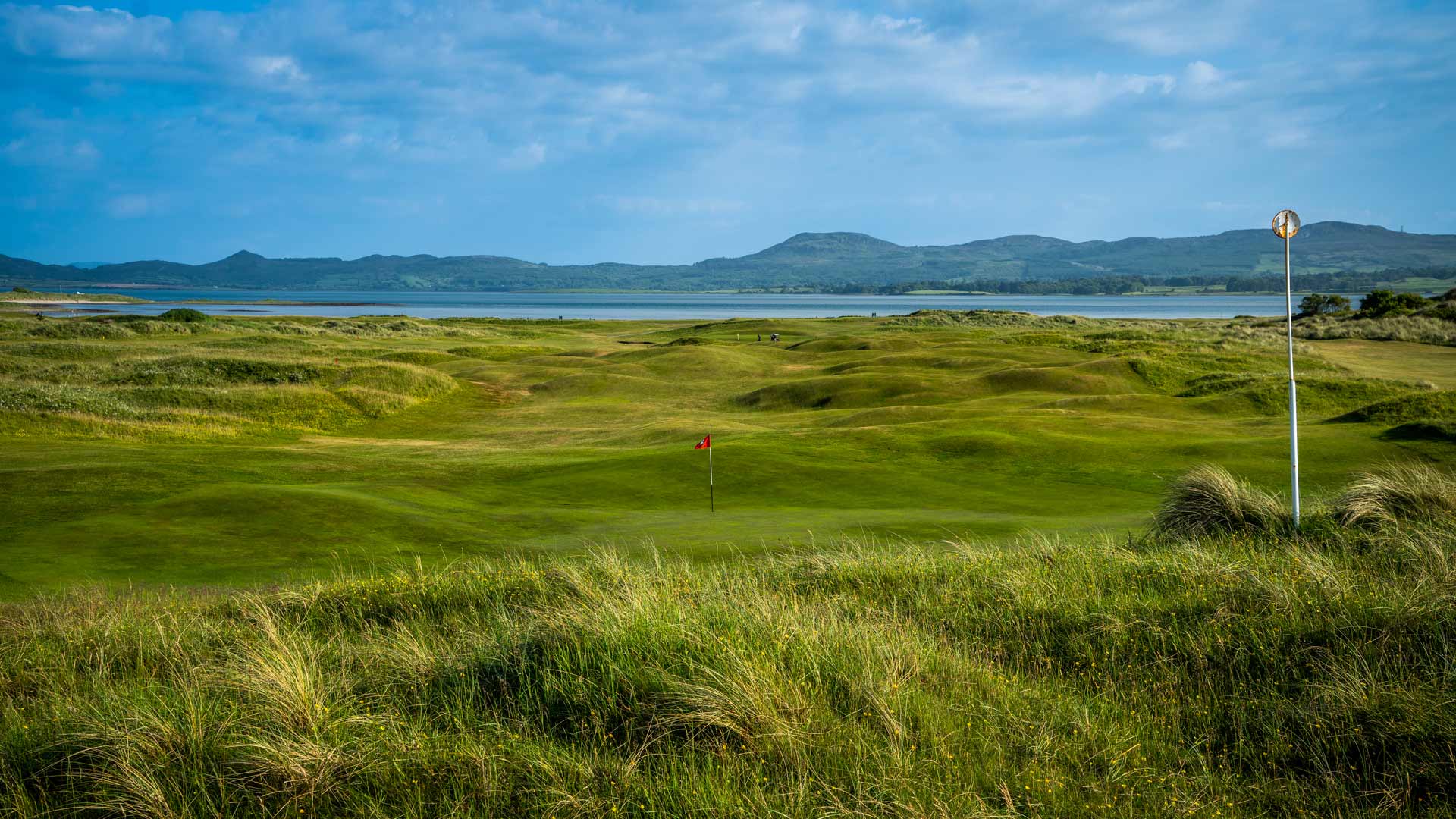
Ask a dozen golfers when the best time to play golf in Ireland is and you will get a dozen different answers, and in a sense they are all correct. Ireland’s west coast offers golf in every season, each with its own character, and the right time to visit depends as much on what you are looking for as on the calendar. Whether you want the long evenings of high summer, the quiet value of the shoulder seasons or the bracing solitude of a winter links, the Wild Atlantic Way has something to offer all year round.
This guide breaks the golfing year down season by season, so you can plan a trip to the west coast that matches the experience you are after.
Golf on the West Coast: A Year-Round Game
The single most important thing to understand about golf on Ireland’s Atlantic coast is that the links courses here are playable all year. Built on sandy, free-draining coastal soil, true links courses shrug off the rain that can leave inland parkland courses waterlogged, staying firm and playable even in the depths of winter. This is one of the great advantages of links golf, and it is why the west coast can welcome golfers in every month of the year.
The trade-off, of course, is the weather. The Atlantic brings changeable conditions and a reliable supply of wind in every season, so the question is rarely whether you can play, but what kind of day you are likely to get. With that in mind, here is what each season has to offer.
Spring (March to May)
Spring is one of the most underrated times to play golf on the west coast. As the days lengthen and the worst of the winter weather eases, the courses begin to wake up, and you will often find them in excellent condition and refreshingly quiet. Green fees tend to be gentler than in peak season, and the lengthening evenings open up more time on the course.
Conditions can still be brisk and unpredictable, so layers and waterproofs remain essential, but for golfers who value a peaceful round and good value over guaranteed sunshine, spring is hard to beat.
Summer (June to August)
Summer is the classic time to play golf in Ireland, and for good reason. The weather offers its best odds of warm, settled days, and the famously long Irish summer evenings mean you can tee off late and still finish a full round in daylight. Sitting so far north, the west coast enjoys daylight well into the evening around the longest days of the year, a genuine novelty for visiting golfers.
The flip side is that summer is the busiest and most expensive season. Tee times at popular courses fill quickly, so booking well in advance is strongly recommended if you are planning a trip between June and August.
Autumn (September to October)
For many seasoned visitors, autumn is the connoisseur’s choice. The settled spells of late summer often linger into September, the courses are in superb condition after a full season of growth and care, and the crowds of high summer have thinned out. Add the low golden light of an autumn afternoon on a coastal links, and it is easy to see why so many golfers consider this the finest time of year on the Wild Atlantic Way.
Value improves again as peak season ends, making autumn an excellent combination of good conditions, quieter courses and gentler pricing.
Winter (November to February)
Winter golf on the west coast is not for everyone, but it has a devoted following. Thanks to their free-draining nature, the links courses keep playing through the winter months when inland courses close or turn heavy underfoot. Green fees are at their lowest, the courses are at their quietest, and there is a real atmosphere to a round played along an empty Atlantic shore.
The challenges are obvious: short days limit your playing window, and the weather can be genuinely wild. But on a crisp, calm winter morning, with the course to yourself and the sea air sharp and clear, there are few more memorable rounds of golf to be had anywhere.
Making the Most of the Wind and Weather
Whatever season you choose, the Atlantic is always part of the experience on the west coast. The golfers who enjoy it most are the ones who plan for it rather than fight it: dressing in layers, packing proper waterproofs whatever the forecast, and treating the wind as part of the challenge rather than an obstacle. If you are new to coastal golf, the simplest adjustments make the biggest difference: keep the ball low where the wind has less to work with, and take more club when playing into the breeze.
A little flexibility helps too. Conditions on the coast can change within a single round, so keeping your plans loose and being ready to take advantage of a clear spell will always serve you well.
Planning Your West Coast Golf Trip
County Sligo, in the heart of the Wild Atlantic Way, is an ideal base for a west coast golf trip in any season, offering a genuine links experience alongside spectacular coastal scenery. If you are putting an itinerary together, our advice on planning a golf trip to Sligo is a useful next step.
Strandhill Golf Club, an authentic links course beneath Knocknarea, welcomes visitors throughout the year and plays beautifully whatever the season, thanks to its free-draining coastal turf. With places to stay nearby and green fee rates and visitor information easy to find, it is a natural starting point for golf on the Atlantic coast.
Frequently Asked Questions
What is the best month to play golf in Ireland? There is no single best month, but May, June and September are often considered the sweet spots, combining good conditions, long days and courses in excellent shape. Summer offers the warmest weather, while spring and autumn bring quieter courses and better value.
Can you play golf in Ireland in winter? Yes, particularly on the west coast. Because links courses are built on free-draining sandy soil, they stay playable through the winter when many inland courses close. Days are short and the weather can be wild, but winter golf on a coastal links has a real charm for the hardy golfer.
Is the west coast of Ireland too windy for golf? The Atlantic wind is a constant feature rather than an obstacle, and it is part of what makes links golf on the west coast so distinctive. Keeping the ball low and choosing more club into the wind makes a real difference, and most golfers come to see the conditions as part of the appeal.
Do you need to book golf tee times in advance in Ireland? During the peak summer season, booking ahead is strongly recommended, as popular courses fill quickly. In spring, autumn and winter there is usually more availability, but it is always worth reserving a tee time to be sure of your preferred slot.
Plan Your Round on the Wild Atlantic Way
Whatever time of year suits you best, the west coast of Ireland offers golf to remember in every season. If you are ready to experience authentic links golf on the Atlantic coast, Strandhill Golf Club welcomes visitors all year round. Book a tee time and find the season that suits you.



 Splash